Legal faq
Money Recovery Lawyer in Noida
Money recovery lawyer in Noida for unpaid dues, loans and business payments. Legal notices, Order 37 suits and commercial suits. +91 92209 15520.
Money Recovery Lawyer in Noida
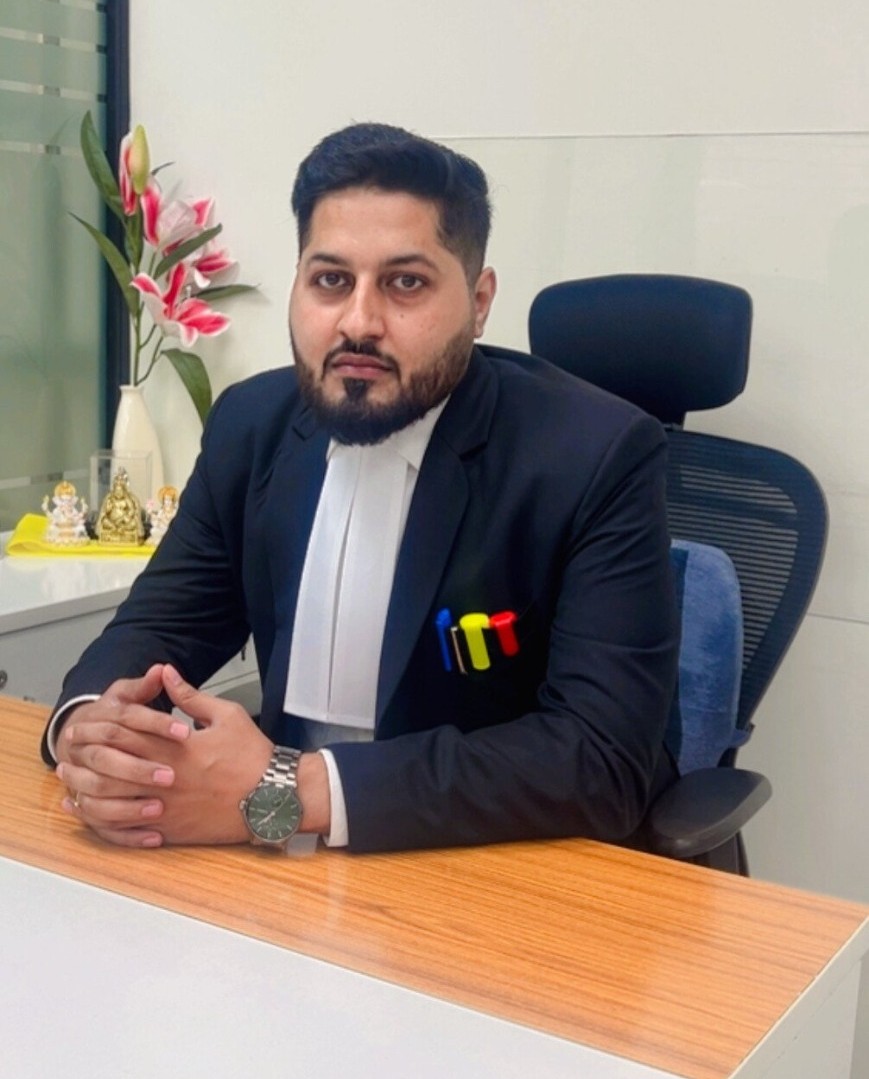
You delivered the goods. You finished the work. You lent money to a friend when they needed it. Now the payment isn't coming, and the excuses keep changing. That's hard to live with. As a money recovery lawyer in Noida, Chamber of Mayank Sharma helps individuals and businesses recover what they're owed through legal notices and civil and commercial suits.
Advocate Mayank Sharma has over five years of experience in money recovery matters before the Civil Courts and Commercial Courts. We work from our office in Sector 18, Noida, for clients in Noida, Greater Noida, Delhi and Gurugram. The right route depends on your papers. So let's start there.
Someone Owes You Money and Won't Pay?
Unpaid money usually comes from a few common situations. A customer who took delivery and stopped answering calls. A business partner who kept the profits. A friend who borrowed against a written promise. A tenant who left with months of rent unpaid. They all feel different. The legal steps are often similar.
Before you decide what to do, collect:
- Invoices, bills, purchase orders or delivery challans
- Any written agreement, loan note or acknowledgement of debt
- Ledger entries or account statements showing the balance
- Emails, WhatsApp messages or letters where the debt is discussed
- Any cheques given, including ones that bounced
- Bank statements showing money paid out
Written proof makes recovery much easier. Even a single message admitting the debt can help. Don't throw anything away.
Also think about the debtor's position. Are they still in business? Do they own property, or have a steady income? A strong case against someone with nothing to pay from may not be worth the cost. We'll talk this through honestly before you spend money on a suit.
Start With a Legal Notice
In most cases, the first step is a legal notice. It tells the other side, in writing, what's owed, why, and by when it must be paid. Many debtors pay at this stage. Some don't. A good notice does a few things:
- States the amount, with a short breakdown
- Refers to the invoices, agreement or messages that prove the debt
- Gives a clear deadline for payment
- Says that legal proceedings will follow if payment isn't made
The notice also helps later in court. It shows you gave the other side a fair chance. Send it by a traceable mode, such as a registered post or courier, and keep the receipt.
As a money recovery advocate in Noida, we draft notices that are firm but measured. Threatening or exaggerated notices can backfire. Accuracy works better.
What if the other side replies and disputes the amount? That's useful too. Their reply often shows what they'll argue in court. Sometimes it even admits part of the debt. Keep it safe.
Choosing the Right Recovery Route
If the notice doesn't work, you'll need to go to court. There isn't one single path. The right route depends on the amount, the type of transaction and the documents you hold. Here's a quick guide.
- Summary suit under Order 37 of the Code of Civil Procedure. Suited to debts backed by written contracts, bills of exchange or cheques. It's usually faster because the defendant must get the court's permission to defend.
- Regular civil suit for recovery. Used where the claim needs fuller evidence, or where Order 37 doesn't apply. It takes longer.
- Commercial suit under the Commercial Courts Act, 2015. Used for business disputes above the set value, currently Rs 3 lakh. It has stricter timelines.
- Cheque bounce complaint under Section 138 of the NI Act. Available alongside a civil suit if a cheque given for the debt has bounced. See our cheque bounce lawyer in Noida page.
We also handle claims for damages from breach of contract and recovery of loan defaults between private parties. As a recovery suit lawyer in Noida, we'll tell you which route fits your case and why.
Order 37 Summary Suits in Plain Words
A summary suit is meant for clear debts where the paperwork does most of the talking. The idea is simple. If the defendant has no real defence, they shouldn't be able to drag the case on for years. How it works, in brief:
- You file the suit with the documents that prove the debt.
- The defendant must enter an appearance within 10 days of being served.
- You then serve a summons for judgment.
- The defendant must apply for leave to defend, within 10 days, showing a real defence.
- If leave isn't granted, the court can pass a decree.
Not every claim qualifies. Oral loans without written proof usually don't. We'll check your papers before filing. Leave to defend isn't automatic. If the defendant raises only a vague or false defence, the court can refuse leave, or grant it only on condition that part of the amount is deposited. That condition often pushes a settlement.
Commercial Disputes and Mediation Before Filing
Business-to-business disputes often go to the Commercial Courts. Such courts follow stricter timelines than ordinary civil courts. That can help a creditor with a strong case.
One important step comes first. Under Section 12A of the Commercial Courts Act, you usually have to try pre-institution mediation before filing a commercial suit, unless you need urgent interim relief. Mediation is often handled through the District Legal Services Authority. Many disputes settle there.
If mediation fails, the suit is filed. The defendant then gets a limited time to file its written statement, generally capped at 120 days. Delays are harder to justify in commercial matters. That works in your favour.
How a Money Recovery Lawyer in Noida Works on Your Case
Here's how we usually handle a recovery matter. The steps may change with the facts.
Initial consultation
We go through your documents and the history of the dealings. We check whether the claim is within time. We tell you the realistic options and the likely costs.
Planning the route
We decide between an Order 37 suit, a commercial suit, a regular suit or a mix of remedies. We also check if interim relief is needed, such as an order stopping the debtor from selling assets.
Drafting and filing
We draft the plaint carefully, attach the evidence and file in the right court. For Noida matters, that's usually the civil and commercial courts of Gautam Buddh Nagar at Surajpur, Greater Noida. Clean drafting avoids delays.
Settlement talks
Many recovery suits settle once the debtor sees the case is serious. If an offer comes, we look at the amount, the payment schedule and the security for future installments. A settlement recorded before the court is easier to enforce. Get it in writing.
Court representation
We appear at each hearing and argue the matter. We push for timely progress and resist unnecessary adjournments.
Recovering the money
Winning is only half the job. We follow through with execution until the money actually reaches you.
Many clients approach a law firm in Noida only after months of chasing. You'll save time by starting with a proper review. As a debt recovery lawyer in Noida, we keep you updated after each date.
After the Decree: Getting Paid
A court decree is an order to pay. Some debtors pay as soon as it's passed. Others don't. In that case, you file for execution under Order 21 of the Code of Civil Procedure. Execution can include:
- Attaching the debtor's bank accounts.
- Attaching and selling movable or immovable property.
- Attaching a part of salary, within legal limits.
- In limited cases, arrest and detention of a debtor who can pay but refuses.
Courts can also award interest on the decreed amount under Section 34 of the Code of Civil Procedure. We include an interest claim in the plaint where it's justified.
Execution can feel slow. Debtors sometimes move assets or claim they have nothing. We trace bank accounts and property where the law allows, and ask the court to examine the debtor about his assets. Patience pays here.
Protecting your claim before the decree
If there's a real risk the debtor will sell property or move money before the case ends, we can ask the court for attachment before judgment under Order 38 of the Code of Civil Procedure. Courts grant it only on clear grounds. We'll tell you if your facts fit.
Documents That Make Your Claim Stronger
Think of your documents as the story of the deal. They should show who agreed to what, what was delivered and what was paid. Gaps in that story give the other side room to argue. Fill them where you can. Some papers carry more weight than others. Courts like clear, signed, dated records. Here's what helps most.
- Signed agreements, loan notes or acknowledgements of debt.
- Invoices with delivery proof or the buyer's acknowledgement.
- Account statements or ledgers confirmed by the other side.
- Emails or messages where the debtor admits the amount.
- Bank records showing transfers.
- Any part payments made by the debtor, which can also extend the limitation period.
If your papers are thin, don't give up. We can often build the claim from bank records and messages. As a payment recovery lawyer in Noida, we'll tell you honestly how strong your case looks. If the debtor is a bank borrower in trouble, our loan settlement lawyer in Noida page covers the lender-borrower side.
Frequently Asked Questions
Q1. What is a money recovery suit?
It's a civil case asking the court to order someone to pay money they owe you. It can be a summary suit, a regular suit or a commercial suit, depending on the facts.
Q2. How long do I have to file?
Usually three years from when the money became due, under the Limitation Act, 1963. A written acknowledgement or part payment can extend that period. Don't wait until the last months.
Q3. What is a summary suit under Order 37?
It's a faster procedure for clear debts based on written documents or cheques. The defendant can defend only with the court's permission. If they show no real defence, a decree can follow quickly.
Q4. Can I claim interest as well?
Yes. You can claim interest agreed in the contract, or interest the court finds reasonable. The court can also award interest from the date of the suit until payment.
Q5. Is mediation compulsory before a commercial suit?
Yes, in most cases, under Section 12A of the Commercial Courts Act. The exception is where you need urgent interim relief.
Q6. What if there's no written agreement?
You can still sue. Messages, emails, bank transfers and witness evidence can prove the debt. It may not qualify for Order 37, though.
Q7. Can I file a cheque bounce case and a recovery suit together?
Yes. The cheque bounce complaint is criminal, and the recovery suit is civil. Both can run side by side.
Q8. Which court will a money recovery lawyer in Noida approach?
Usually the court where the defendant lives or does business, or where the transaction took place, under Section 20 of the Code of Civil Procedure. The amount also decides which level of court hears it.
Q9. What happens after the decree?
If the debtor doesn't pay, you file for execution. The court can then attach bank accounts or property to recover the money. Execution has its own time limit, so don't leave the decree sitting in a drawer for years.
Q10. How do I choose a debt recovery lawyer in Noida?
Look for someone who reads your documents fully and tells you which route suits your claim. Ask about timelines and costs up front. Be wary of anyone promising quick money.
Contact Us
If someone owes you money, send us the invoices, agreement or messages, and we'll tell you the most practical way forward. You can also reach us through the contact page or visit the Chamber of Mayank Sharma homepage.
Phone: +91 92209 15520
WhatsApp: +91 92209 15520
Email: chamber.mayank@gmail.com
Address: LGF-058, Ansal Fortune Arcade, K Block, Sector 18, Noida 201301
This page is for general information and is not legal advice.