Legal faq
loan-settlement-lawyer-in-noida
Loan settlement lawyer in Noida for bank, NBFC and credit card dues. Help with OTS, legal notices, DRT matters and recovery calls. +91 92209 15520.
Loan Settlement Lawyer in Noida
The EMIs stopped a few months ago. Since then, the calls haven't. A demand notice has arrived, and now the bank is talking about recovery action. You're not alone in this. As a loan settlement lawyer in Noida, Chamber of Mayank Sharma helps borrowers deal with banks, NBFCs and credit card companies in a calm, lawful way.
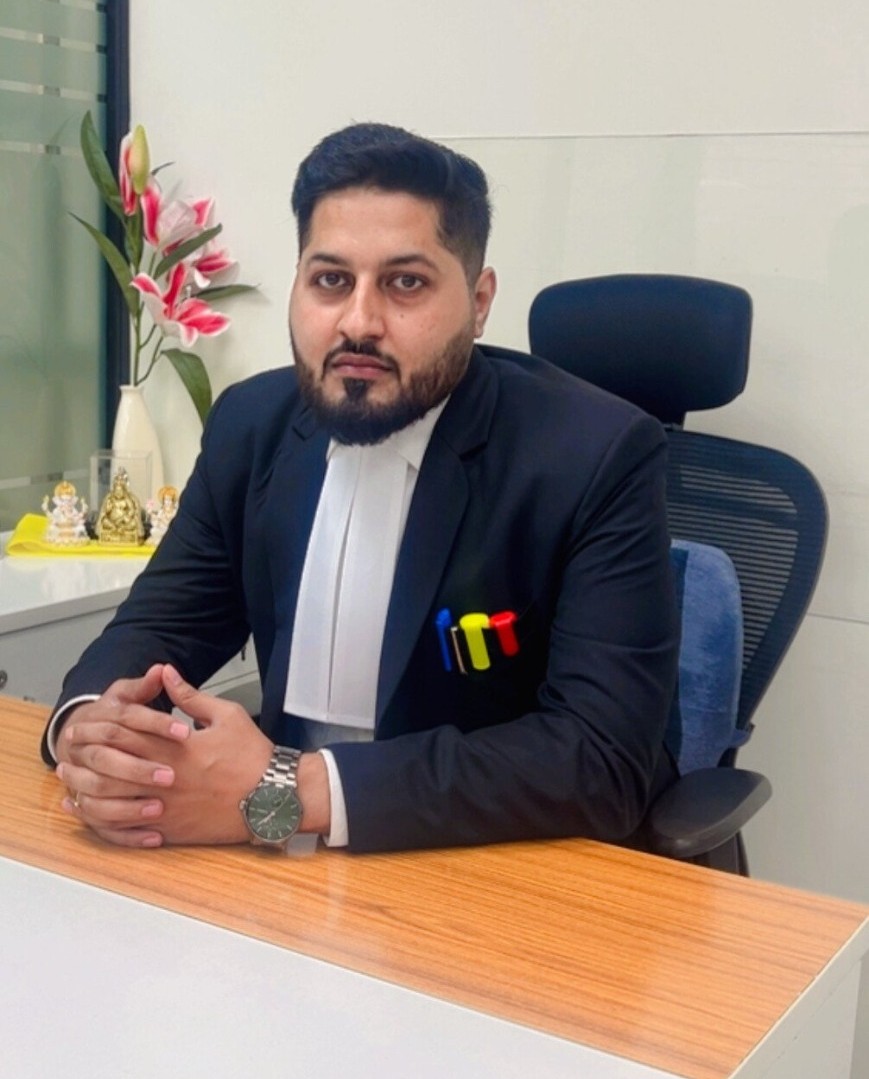
Advocate Mayank Sharma handles loan disputes from our office in Sector 18, Noida, for borrowers in Noida, Greater Noida, Delhi and Gurugram. We work for borrowers facing settlement talks, legal notices and recovery proceedings. First, we look at the numbers. Then we talk about options.
EMIs Piling Up and Recovery Calls Getting Worse?
Most loan trouble starts with something ordinary. A job loss, a medical bill, a business that slowed down after a big order fell through. Then one missed EMI turns into three. Shame stops people from asking for help. It shouldn't. What usually happens next:
- The lender sends reminders, then a demand notice.
- The account is classed as a non-performing asset (NPA) after a set period of default.
- Recovery agents start calling, sometimes visiting.
- For secured loans, the bank may start action under the SARFAESI Act, 2002.
- For larger dues, the bank may file a case before the Debt Recovery Tribunal.
You can't stop all of this by ignoring it. You can often slow it down and shape it by acting early. Keep every letter. Some borrowers also hear about "loan settlement companies" that promise to cut dues by a fixed share for an upfront fee. Be careful. A settlement can only come from the lender, in writing. Nobody else can promise it.
Your Options: One-Time Settlement, Restructuring or Contesting the Claim
Not every loan problem needs the same answer. We usually look at three routes. The right one depends on your income, your assets and what the lender is claiming.
One-time settlement (OTS)
You pay a reduced amount, often in one go or in a few installments, and the lender closes the account. Banks have their own OTS policies. A settlement is a negotiation, not a right. Terms vary.
Restructuring or a repayment plan
If you can pay but need more time, the loan may be restructured. The tenure may be extended or EMIs reduced. Instalment plans for overdue amounts are also possible. Ask in writing.
When the property is at stake
For a home loan or a loan against property, the bank may issue a notice under Section 13(2) of the SARFAESI Act. You get 60 days to pay. You can send objections in that period, and the bank must reply to them. If the bank later takes possession, you can challenge it before the Debt Recovery Tribunal within 45 days under Section 17. The dates are tight. Don't sit on the notice.
Contesting the claim
Sometimes the amount itself is wrong. Penal interest, hidden charges or wrong entries can inflate the claim. In such cases, we challenge the figures before agreeing to anything. Check the statement first.
Loans and Dues We Deal With
We see the same patterns again and again. A salaried borrower with three credit cards and a personal loan. A shop owner with a business loan secured on the family home. A small manufacturer whose working capital limit was cut. The legal steps differ for each. So does the right offer. We handle settlement and disputes across most kinds of borrowing:
- Personal loans from banks and NBFCs
- Home loans and loans against property
- Business loans and working capital limits
- Corporate loan defaults
- Credit card dues
- Microfinance and NBFC loan disputes
- Car and vehicle loans
- High-value loan matters needing careful legal handling
- Cases of loan fraud or misrepresentation by lenders or agents
As a bank loan settlement lawyer in Noida, we also act where a lender has made claims you believe are unlawful or inflated. Keep your loan agreement handy. It's usually the key document.
What a Loan Settlement Lawyer in Noida Does for You
A lawyer doesn't make your debt disappear. What we do is make sure the process is fair and that you don't agree to terms that hurt you later. Here's the work involved.
- Reviewing your loan papers. We read the sanction letter, agreement and statement of account. We check the interest, charges and dates.
- Replying to notices. Demand notices, legal notices and SARFAESI notices need careful replies. A weak reply can be used against you.
- Negotiating with the lender. We put forward a realistic proposal based on your actual income and assets.
- Representing you before the DRT and civil courts. If the matter escalates, we appear for you before the Debt Recovery Tribunal and the Civil Courts.
- Acting against unlawful recovery. If agents threaten or harass you, we help you complain to the lender, the RBI and, where needed, the police.
- Checking the settlement letter. Before you pay, we read the final terms line by line.
We also keep the tone of talks professional. Lenders respond better to a clear written proposal than to emotional calls. A short letter with your income, your offer and supporting papers often moves things faster than weeks of phone calls.
The laws involved include the Recovery of Debts and Bankruptcy Act, 1993, the SARFAESI Act, the Indian Contract Act and, for some business loans, the Insolvency and Bankruptcy Code. We keep up with them. You don't have to.
Many borrowers wait until a court notice arrives before calling a law firm in Noida. Earlier is better. You'll have more options.
Recovery Agents: What the Rules Allow
Recovery calls can wear you down. Some borrowers stop picking up the phone at all. That's understandable, but it can make things worse. A short written reply, sent through us, often calms the situation and puts it on a formal footing.
Lenders can recover what's owed. They can't harass you. The RBI has issued rules on how banks, NBFCs and their recovery agents must behave. In broad terms:
- Agents shouldn't call before 8 am or after 7 pm.
- They can't use threats, abusive language or intimidation.
- They shouldn't contact your friends, relatives or colleagues to shame you.
- They must identify themselves and the lender they represent.
- They can't come to your home or office at odd hours to embarrass you.
If this is happening, write it down. Save call recordings, screenshots and the agent's name. Then speak to us. We'll take it up formally with the lender, and with the police if threats are involved.
You can also complain through the RBI's Integrated Ombudsman Scheme if the lender doesn't fix the problem within 30 days of your written complaint. It's free to file. Keep a copy of your first complaint to the lender, because the Ombudsman will ask for it.
Check the Settlement Letter Before You Pay
Many borrowers lose out at this stage. They agree to a settlement on the phone, pay, and later find the account still shows dues. Get everything in writing. Read it before paying. A proper settlement letter should state:
- The exact settlement amount
- The payment dates and mode
- That the amount is in full and final settlement of the account
- That the lender will issue a No Dues Certificate or No Objection Certificate after payment
- That any property papers or security will be returned
- How the account will be reported to credit bureaus
Pay only to the lender's official account. Never pay an agent in cash. Keep the receipts safe. After the last payment, follow up for the No Dues Certificate. Some lenders take weeks to send it. Check your credit report a month or two later to see how the account is shown. If it's wrong, raise a dispute with the credit bureau and the lender in writing.
Documents to Keep Ready
Borrowers often arrive with a bag of loose papers. That's fine. We'll sort them. But a little order helps you as well. Put the loan agreement, the latest statement and the notices at the front. Bring whatever you have to our first meeting. Missing papers can be requested later.
- Latest loan account statement
- Sanction letter and loan agreement
- All demand notices, legal notices and SARFAESI notices
- Any earlier settlement offers from the lender
- EMI receipts and proof of part payments
- Bank statements showing loan debits
- Proof of income, and proof of any hardship such as medical bills or job loss letters
- Emails, SMS and WhatsApp messages from the lender or agents
- Your PAN and Aadhaar
A clear file speeds things up. It also makes your proposal more believable to the bank.
We also ask for a simple monthly budget. What comes in, what must go out, and what's left for the loan. Be honest with it. A realistic offer that you can actually pay is better than a big promise you'll break in three months. Banks notice broken promises.
For dues linked to bounced cheques or ECS returns, see our cheque bounce lawyer in Noida page. If you're the one owed money, our money recovery lawyer in Noida page explains the creditor's side.
Frequently Asked Questions
Q1. What is a one-time settlement?
It's an agreement where the lender accepts a reduced amount to close the loan. The amount and terms depend on the lender's policy and your situation. It has to be in writing.
Q2. Will a settled loan affect my CIBIL score?
Yes, usually. A loan closed through settlement is often reported as "settled" rather than "closed", which can affect future borrowing. We'll explain the trade-off before you decide.
Q3. Can the bank take my property for an unpaid loan?
Yes, for a secured loan, under the SARFAESI Act. The bank first issues a notice giving you 60 days to pay, under Section 13(2). You can raise objections, and you can challenge later action before the Debt Recovery Tribunal.
Q4. What can I do if recovery agents harass me?
Record the details and complain in writing to the lender first. You can also approach the RBI's complaint system and, if there are threats, the police. We can send a legal notice on your behalf.
Q5. Can credit card dues be settled?
Yes. Card issuers do agree to settlements in many cases. A credit card settlement lawyer in Noida can check the outstanding amount, the interest and the charges before you agree.
Q6. Should I reply to a legal notice from the bank?
Yes, in most cases. A careful reply puts your side on record. Don't admit figures you haven't checked. Send the reply by a traceable mode and keep proof of delivery.
Q7. What is the Debt Recovery Tribunal?
It's a special tribunal that hears bank recovery cases above a set amount, currently Rs 20 lakh. It also hears borrowers' challenges to SARFAESI action.
Q8. Can a loan settlement lawyer in Noida handle several loans together?
Often, yes. As a debt settlement lawyer in Noida, we look at all your loans together and plan the order of settlement. Lenders still settle one account at a time.
Q9. What should a settlement letter say?
The amount, payment dates, that it's full and final, and that a No Dues Certificate will follow. It should also say what happens to any security. Get it before you pay.
Q10. How do I choose a loan settlement advocate in Noida?
Look for someone who reads your loan papers fully and explains realistic options. Ask how they'll handle the lender and keep you updated. Be wary of anyone promising a fixed discount. Only the lender can agree to a settlement, and every account is different.
Get in Touch
Loan problems feel heavier the longer you carry them alone. Send us your latest statement and notice, and we'll go through them with you. You can also use our contact page or visit the Chamber of Mayank Sharma homepage.
Phone: +91 92209 15520
WhatsApp: +91 92209 15520
Email: chamber.mayank@gmail.com
Address: LGF-058, Ansal Fortune Arcade, K Block, Sector 18, Noida 201301
This page is for general information and is not legal advice.