Legal faq
Best Banking, Finance & Loan Settlement Lawyer in Noida
Banking lawyer in Noida for secured and unsecured loans, DRT cases, SARFAESI action, cheque bounce and banking fraud matters.
Best Banking, Finance & Loan Settlement Lawyer in Noida
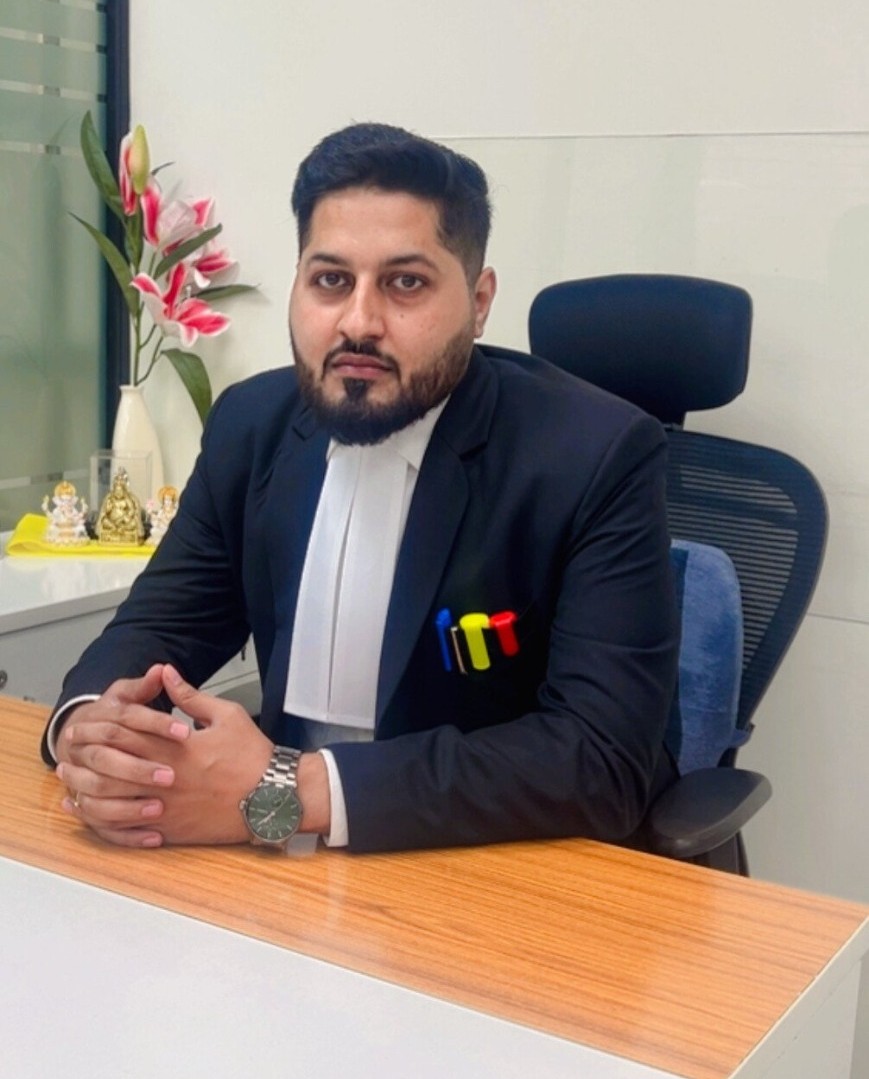
Falling behind on a loan, receiving a recovery notice from a bank or finding an unauthorized transaction in your account can be deeply stressful. These situations involve strict timelines and detailed banking laws, and the decisions you make early on often shape the outcome. Advocate Mayank Sharma is a loan settlement lawyer who helps individuals, businesses, and corporate clients resolve disputes with banks, NBFCs, and other financial institutions.
He practices from Chamber of Mayank, a law firm in Noida, located in Sector 18. He handles loan settlements (secured and unsecured), Debt Recovery Tribunal (DRT) cases, SARFAESI cases, cheque dishonour cases, and banking frauds in Noida and Delhi NCR. His practice centres on safeguarding your interests, minimising losses, and delivering practical results.
Banking and Loan Matters We Handle
Banking disagreements can take various forms; in some cases they start with a missed payment, in others with a surprise recovery notice, or with a transaction you did not authorise. The services listed below include the issues which clients most frequently bring to us.
Secured Loan Settlement
Loans which are secured, such as mortgages and corporate loans, are supported by property or other assets; if repayment becomes difficult, the lender has the option of recovering the amount owed by exercising the security.
We assist in negotiating and settling secured loans so that clients can reach fair agreements with banks and financial institutions, ideally before the matter escalates to enforcement action.
Unsecured Loan Settlement
Personal loans, credit card dues and business credit facilities are usually unsecured. We provide legal support to settle these debts, aiming to minimise financial and legal risk and ensure any settlement is properly recorded in writing.
Home Loans, Vehicle Loans and Hypothecation
Home loans and vehicle loans are the most common loans people take, and also the ones that cause the most worry when EMIs are missed. With a home loan, your house is the security. With the vehicle loan, the car or truck will always be put up as a hypothecation for the lender who will have some rights over the car until the payment of the vehicle loan is made.
If you fall behind in making payments, the lender cannot seize the vehicle. It has to follow the loan agreement and the RBI’s fair practice rules. We help borrowers deal with repossession notices, negotiate revised payment terms or a settlement, and get the hypothecation removed from the RC once the loan is closed.
DRT Representation
The Debt Recovery Tribunal accepts claims submitted by banks and financial institutions, as well as cases where those claims are challenged. Advocate Mayank Sharma has extensive experience before the DRT and represents clients in both secured and unsecured loan recovery matters.
Loans and their recovery disputes
These disputes can arise from late repayments, loan defaults, poor bank practices, or disagreements over interest rates and repayment terms. We analyse the loan agreement and the bank statements, and look at what the lender is claiming that might be excessive.
Cheque Bounce Cases
Cheque dishonour is common in both personal and business transactions and is subject to legal repercussions under the Negotiable Instruments Act of 1881; we advise clients in cases involving bounced cheques, including those where the parties agree to a negotiated settlement, since both prefer to avoid lengthy litigation.
Banking Fraud and Misrepresentation
We deal with situations involving fraudulent loans, deceptive banking practices, misrepresented financial products, and unauthorised transactions. It is important to act quickly in these cases if you are to minimise the loss and keep the evidence necessary to back your claim.
Corporate and Personal Financial Advisory
Not every banking matter is a dispute. We provide legal guidance to individuals and businesses on restructuring loans, managing debt obligations and complying with banking regulations.
Secured and Unsecured Loans: Why the Difference Matters
The type of loan you take affects the risks you face and the options available to you. In the case of a secured loan, the lender has a charge on some property or other assets and can take steps to enforce that security should payments cease. That is why timely legal advice is especially important, since the asset in question may be at risk.
With an unsecured loan, such as a personal loan or credit card debt, the lender has no specific asset to take. Recovery usually happens through demand notices, recovery calls and, in some cases, legal proceedings. Settlement is often possible, but you should negotiate it carefully and record it properly.
Understanding which category your loan falls into is the first step towards choosing the right approach, whether that is restructuring, a one-time settlement or a defence in formal proceedings.
Dealing With Recovery Agents
Many borrowers first feel the pressure of a loan default through calls and visits from recovery agents. Lenders may recover dues, but RBI guidelines require banks and their agents to follow fair practices. Recovery agents must not use intimidation or harassment, and they should make calls and visits at reasonable hours.
If you are facing aggressive or abusive recovery methods, keep a record of the calls, messages and visits, including dates and times. These records can support a complaint to the lender and strengthen your position during settlement talks.
Once a lawyer is involved, you can route communication with the lender through counsel. This often brings the discussion back to a professional footing and allows you to work out a proper settlement.
How a Loan Settlement Lawyer Works With Your Bank
A loan settlement is an agreement with the lender to close the account, usually on revised terms. A well-handled settlement requires careful preparation, not just a request for a reduction.
Understanding Your Financial Position
We begin by reviewing the loan agreement, sanction letter, account statements and any notices you have received. We also discuss your current financial situation, because a settlement proposal must be one you can realistically honour.
Checking the Lender's Claim
The amount demanded by a bank or recovery agent may include disputed charges, penal interest or simple errors. We check the claim against the loan terms so you don't settle for more than is legally owed.
Negotiating With the Bank or NBFC
We communicate with the lender on your behalf, present a reasoned proposal and negotiate terms such as the settlement amount, the payment schedule and the closure of the account.
Proper Recording of the Settlement
Ensure each settlement is recorded in a letter from the lender that clearly outlines the agreed amount and the terms of closure. After making the payment, ensure that you get a no-dues certificate. We ensure this is done, since failure to do so can lead to new claims.
Facing SARFAESI Action or a DRT Case
Secured lenders can take action under the SARFAESI Act, 2002, to recover their dues by enforcing the security, which can include taking possession of a mortgaged property. The process usually begins with a demand notice under Section 13(2), which gives the borrower 60 days to repay the amount claimed.
The advantage that the borrower has at this stage is that of remedies under law. You have the right to contest the demand notice and the conduct of the lending institution on the grounds of Section 17 of the Act, usually within 45 days.
Failing to comply with these time constraints will greatly limit your legal options. We recommend seeking legal counsel immediately after receiving the notice.
Banks can also submit recovery applications to the DRT; in such cases, we draw up the defence, examine the lender's documents, and act on your behalf at the hearings, while at the same time looking into the possibility of a settlement if it is appropriate.
Appeals Before the DRAT
If the DRT decides against you, that is not always the end of the road. You can appeal to the Debt Recovery Appellate Tribunal (DRAT), usually within 45 days.
In most cases, the borrower has to deposit a part of the amount decided before the appeal is heard, though the tribunal can reduce this deposit in some cases. We prepare and argue appeals before the DRAT for both borrowers and lenders.
Proceedings Before the Recovery Officer
Once the DRT passes its order, a recovery certificate is issued and the matter goes to a Recovery Officer. This officer can attach and sell property to recover the amount.
Borrowers still have rights at this stage, and an order of the Recovery Officer can be challenged before the DRT, usually within 30 days. We represent clients in these proceedings and help them protect their property where the law allows.
Banking Regulations, Loan Agreements and Litigation
Beyond loan settlements and recovery matters, our banking and finance work covers four broader areas.
Banking and Financial Regulations
We provide guidance on banking and financial regulations, including RBI regulations and banking laws that govern how lenders and borrowers must deal with each other.
Loan Agreements and Securitisation
We draft and review loan agreements and security documents so that the rights and obligations of each party are clearly set out before funds are disbursed.
Debt Recovery and Insolvency
We assist clients with debt recovery matters and with insolvency proceedings, including matters under the Insolvency and Bankruptcy Code, 2016.
Banking and Finance Litigation
We represent clients in banking and finance litigation, defending their interests in proceedings brought against them by banks and financial institutions, and in claims they bring themselves.
Arbitration in Loan Disputes
Many NBFC and vehicle loan agreements have an arbitration clause, and some borrowers only find out when an award has already been passed against them. A lender cannot appoint a sole arbitrator on its own, and an award can be challenged under Section 34 of the Arbitration and Conciliation Act, 1996. We also file Section 9 petitions when urgent court protection is needed.
Money Recovery Suits
Smaller claims, and money owed between people or businesses, are usually recovered through a civil suit. If the claim is based on a cheque, promissory note or written contract, a summary suit under Order XXXVII CPC is often the quicker route. We file and defend these suits for both sides.
Complaints Against Banks
Wrong charges, a failed transaction or a delayed refund? Complaint to the bank in writing first. If there is no reply within 30 days, or the reply is not satisfactory, you can go to the RBI Ombudsman or the Consumer Commission, and we help you choose the right route.
What to Keep Ready Before Your Consultation
Having the right papers at the first meeting allows for a faster, more accurate assessment. Useful documents include:
- Loan agreement, sanction letter and any security documents.
- Loan account statements showing payments made and amounts outstanding.
- Demand notices, recovery notices or SARFAESI notices received.
- Letters, emails and messages exchanged with the bank or recovery agents.
- Any earlier settlement offers and receipts for payments made.
- For cheque bounce matters, the cheque, the bank return memo and any legal notice.
- For fraud matters, transaction details and copies of any complaints already filed.
If some documents are missing, we can advise you on how to request them from the lender.
Why Clients Trust Chamber of Mayank With Banking Matters
Money disputes are personal, and clients want a lawyer who will be straightforward with them about where they stand. Here is what you can expect when you work with us:
- Experience in DRT proceedings and negotiations with banks, NBFCs and financial institutions.
- Support for individuals, businesses and corporate clients.
- A careful review of the lender's claim before agreeing to any settlement.
- Confidential handling of your financial information.
- Timely, practical advice to limit financial loss.
Financial problems sometimes overlap with other legal issues. If loan trouble at your business is connected to unpaid salaries or employee claims, our employment and labour lawyer in Noida can advise on that side of the matter.
Businesses whose brands, designs or other creations form part of their assets can also speak to our intellectual property lawyer in Noida.
Our Presence Across Delhi NCR
Advocate Mayank Sharma appears before the Supreme Court of India, Delhi High Court, Patiala House Court, Saket Court Complex, Rohini Court, Tis Hazari Court, Dwarka Court, Karkardooma Court, Rouse Avenue Court, Ghaziabad Court, Gurgaon Court and Noida Court.
Banking and Loan Settlement FAQs
1. What types of banking disputes does Advocate Mayank Sharma handle?
He handles secured and unsecured loan settlements, DRT proceedings, SARFAESI actions, loan recovery disputes, cheque bounce cases, banking fraud, insolvency matters and advice on banking regulations.
2. What function does an advocate dealing with loan settlements have when negotiating with the bank?
The lawyer checks the amount claimed, points out the contentious claims, settles with the creditor, and ensures that everything is recorded in black and white. This will save you from paying extra money and from future claims being made against you.
3. How does Advocate Mayank Sharma assist in loan recovery disputes?
He reviews the loan records, replies to recovery notices, negotiates with the lender and, where needed, represents clients before the Debt Recovery Tribunal and other forums.
4. What is the action I should take upon receiving a SARFAESI demand notice?
Don't ignore it; the notice typically gives you 60 days to pay, and during that time you can file objections. Gather all your loan documents and statements and get legal advice right away if you don't want to lose your right to take legal action.
5. Will the settlement of a loan affect my credit score?
A settled account may be reported to the credit bureaus as settled rather than closed, which future lenders may view less favourably. Discuss this before agreeing to any settlement.
6. Does Advocate Mayank Sharma handle cheque bounce and fraud cases?
Yes. He advises and represents clients in cheque dishonour matters and in cases involving fraudulent loans, misrepresented financial products and unauthorised transactions.
7. Can you represent clients in insolvency and bankruptcy matters?
Yes. We assist clients with insolvency proceedings, including matters under the Insolvency and Bankruptcy Code, 2016, as part of our debt recovery and insolvency practice.
8. Are you also a tax advocate in Noida?
Our banking practice focuses on loan settlement, debt recovery, DRT proceedings and related banking disputes. If you are looking for a tax advocate in Noida, please get in touch with the chamber with details of your issue, and we will let you know whether we can assist.
9. How long do banking dispute cases usually take?
It depends on the nature of the matter. A negotiated settlement can sometimes be completed within weeks or a few months. At the same time, DRT and court proceedings usually take longer, depending on the hearings and the response of the lender.
10. What is the cost of hiring a banking dispute lawyer in Noida?
Fees depend on the type of matter, its complexity and the forum involved. After an initial review of your case, the fee structure is explained clearly before any work begins.
Get Clear Advice on Your Loan or Banking Dispute
If you have received a notice from your bank, are struggling with loan repayments or need help with a cheque bounce or fraud matter, speaking to a lawyer early gives you more options. Contact the Chamber of Mayank for a confidential discussion of your situation.
Phone: +91 9220915520
Email: chamber.mayank@gmail.com
Office: LGF-058, Ansal Fortune Arcade, K Block, Noida Sector 18, Noida, Uttar Pradesh 201301